
Category: Lifestyle & Leisure

Let’s face it, most modern “lifestyle” advice is utterly exhausting—filled with trendy influencers telling you to go on frantic, back-breaking holidays, take up stressful new regimes, or spend a fortune on things you don’t need. At this stage of the game, leisure should mean exactly what it says on the tin: doing precisely what you want, when you want, and at your own civilised pace.

In this section, we focus on the true joy of having free time and the freedom to spend it wisely. We cover stress-free travel tips, hobbies that actually bring you genuine pleasure rather than a headache, and the fine art of saying “no” to things you simply cannot be bothered to do. You’ve spent decades working hard and looking after everyone else; this is your jargon-free guide to enjoying the fruits of your labour on your own terms—even if that just means finding the perfect quiet pub layout or mastering the afternoon nap.

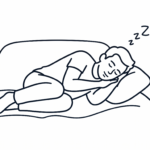
  • The Art of the Strategic Afternoon Nap: Reclaiming Your Right to Do Absolutely Nothing

    Having a Nap

    If you look at modern society today, people have become completely obsessed with “productivity”. Younger folk wear their exhaustion like a badge of honour. They race from gym classes to office meetings, checking their wristwatches to see how many thousands of steps they’ve taken, and tracking their sleep metrics on mobile phone apps. It looks utterly exhausting.

    When you are younger, you are conditioned to believe that sitting still during daylight hours is a moral failing. If you aren’t actively “doing something,” you are deemed lazy.

    But as a card-carrying Wise Old Head, you have finally crossed the finish line of that frantic race. You have spent decades working, raising families, paying taxes, and dealing with the general chaos of life. You have officially earned the right to drop out of the rat race and master the single greatest luxury known to humanity: The Strategic Afternoon Nap.

    This isn’t about being tired; it is an active, philosophical choice to tell the busy modern world to bugger off for half an hour. Here is your guide to executing the perfect, civilised daytime snooze without an ounce of guilt.

    🛋️ The Tactical Rules of the Daytime Nap

    A proper afternoon nap is an art form. It is not simply a matter of falling asleep by accident while watching a boring documentary. To get the maximum psychological benefit, you need a strategy.

    1. The Location: The Armchair Trap

    Never, under any circumstances, go upstairs and get properly into bed at two o’clock in the afternoon. Getting into bed feels like an admission of illness or defeat, and it sends a signal to your brain that you are done for the day.

    Instead, the ideal location is a comfortable, supportive armchair or the corner of the settee. You want to be comfortable, but not too comfortable. You are taking a intermission, not hibernating for the winter.

    2. The Golden 20-Minute Window

    There are two types of daytime naps. The first is the 20-Minute Reset, which leaves you feeling sharp, refreshed, and ready to tackle the crossword.

    The second is the Two-Hour Blackout. This happens when you sleep for far too long and wake up at 4:30 PM in a blind panic, completely disorientated, with the pattern of the sofa cushion permanently stamped onto your cheek, unsure of what day, year, or century it is. Avoid the blackout at all costs. Set a gentle timer on your phone for twenty minutes—it is the sweet spot.

    3. The “Alibi” Technique

    If you worry about being judged by neighbours or family members dropping by unexpectedly, you need a solid alibi.

    The best technique is the Open Book Method. Simply sit in your chair, open a heavy biography or a complicated non-fiction book on your lap, and let your chin drop to your chest. If anyone walks into the room and catches you snoring, you weren’t sleeping—you were simply “pondering a particularly complex passage with your eyes closed.” It works every single time.

    Why It Is the Ultimate Sign of Success

    The youth-obsessed media will try to tell you that buying a sports car or going on a lavish holiday is the ultimate sign of “making it”. They are wrong.

    The true marker of success in life is looking at a beautiful, sunny Tuesday afternoon, realising you have absolutely nowhere you need to be, no boss to answer to, and deciding that the most valuable thing you can do with your time is close your eyes for twenty minutes.

    A Quick Reminder: Time is the most valuable commodity we have. Wasting it by being frantically busy just to please other people is a youngster’s game. Spending it on a quiet, peaceful moment of complete rest is pure wisdom.

    The Bottom Line

    So, the next time the post-lunch slump hits around 2 PM, don’t try to fight it with a mug of strong instant coffee. Don’t feel like you ought to be out weeding the borders or cleaning the gutters just because the sun is out.

    Embrace your inner grumpy (that word again!) aristocrat. Put your feet up, drop that newspaper over your face, and take your afternoon nap with pride. You’ve spent a lifetime earning the right to do absolutely nothing—so you might as well do it properly.
  • The “Sit-to-Stand” Secret:

    The Easiest Balance Exercise You Can Do in Your Living Room

    Senior Fitness People exercising

    When we think about staying fit, our minds often jump to crowded gyms, expensive tracking gadgets, or exhausting routines. But as we pick up more mileage in life, true fitness isn’t about running marathons; it’s about functional independence. It’s about being able to garden without an aching back, play on the floor with family, and move through the world with total confidence in our balance.

    If you want to protect your mobility and dramatically lower your risk of slips or falls, you don’t need a single piece of exercise equipment. You just need a standard sturdy kitchen chair.

    It’s called the Sit-to-Stand exercise, and it is the single most effective movement you can do right in your living room.

    🦵 Why This Simple Move is Pure Gold

    Every time you get out of a car, pull yourself out of a deep armchair, or step off a bus, you are relying heavily on a massive group of muscles in your thighs and hips called the quadriceps and glutes.

    As time goes on, if we don’t deliberately use these muscles, they quietly lose their strength. This makes getting up feel heavier, which can unconsciously make us less steady on our feet.

    The Sit-to-Stand exercise reverses this process. By practicing it regularly, you are essentially building an invisible, high-strength “braking and lifting system” into your lower body.

    🪑 How to Do It: Step-by-Step

    You can easily do this while waiting for the kettle to boil or during a commercial break on TV.

    1. The Setup: Find a firm, sturdy chair (a dining room or kitchen chair is perfect—avoid soft, deep sofas for this). Place it flat on a non-slip floor.
    2. The Stance: Sit forward toward the front third of the chair. Place your feet flat on the floor, about hip-width apart, with your feet positioned slightly behind your knees.
    3. The Lift: Lean your upper body forward slightly from the hips. Lean into your feet, press down through your heels, and smoothly push yourself up into a full standing position.
    4. The Return: Pause for a second at the top, then slowly and gently lower yourself back down into the chair. Try not to just “flop” or drop down—control the descent all the way until your seat touches the cushion.

    🎯 Choose Your Level

    The beautiful thing about this exercise is that it grows with you. Choose the level that matches how your body feels today:

    • Level 1 (Supported): Keep your hands resting firmly on your thighs or the arms of the chair to give yourself a steadying push as you rise.
    • Level 2 (Independent): Fold your arms across your chest. This forces your legs and core to do 100% of the lifting and lowering work.
    • Level 3 (Advanced): Try to stop just short of fully sitting down. Hover your seat a single inch above the chair for two seconds before standing back up!

    📋 The Daily Goal

    Try to do 10 repetitions in a row. If that feels like a breeze, aim for two sets of 10 during the day.

    It might feel a little warm in the thighs at first, but within just a couple of weeks, you will notice a remarkable difference. Stairs will feel a bit lighter, getting out of deep chairs will feel effortless, and your feet will feel much more firmly rooted to the ground.