
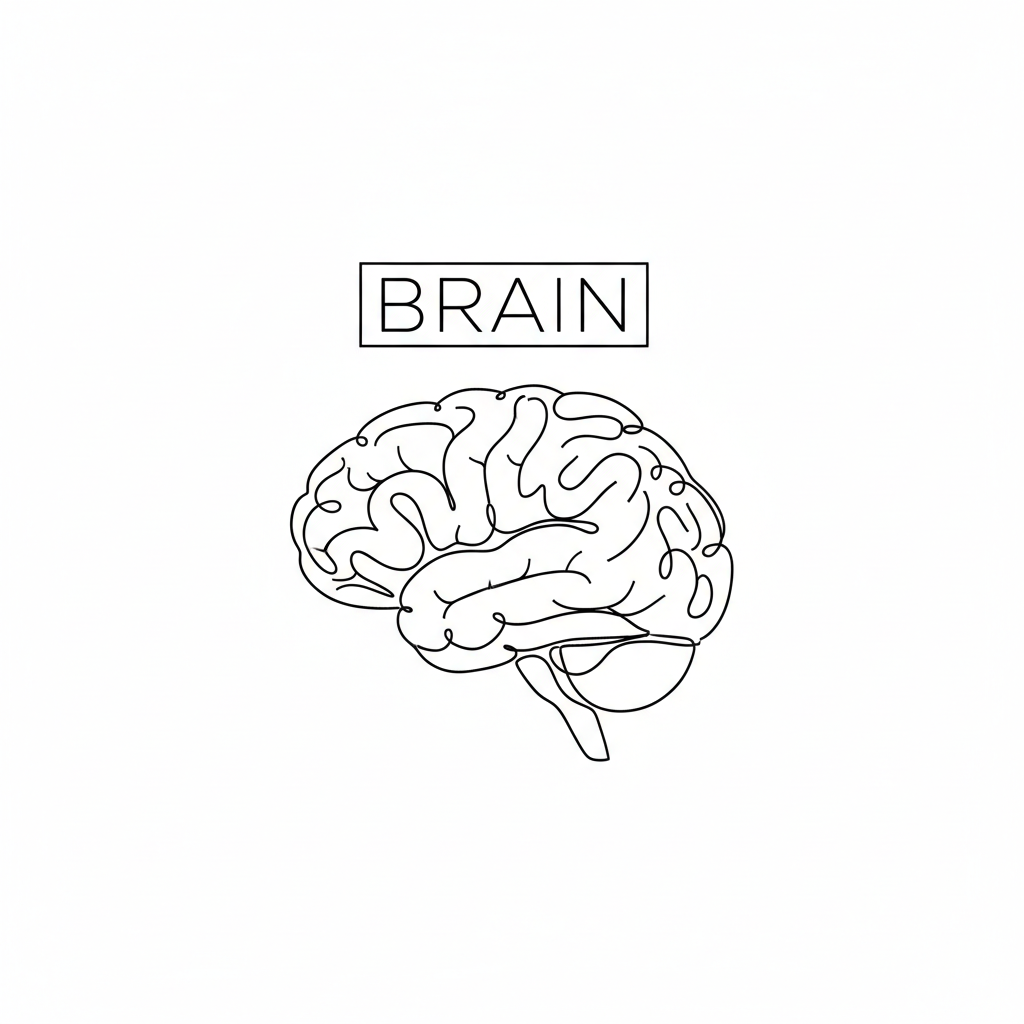
We’ve all been there. You walk into the kitchen with absolute determination, stop dead in front of the kettle, and realize you have absolutely no idea why you’re there.
If there’s a younger person in the room—usually a grandchild or a tech-savvy thirty-something—they will give you that look. You know the one. It’s the slightly panicked expression that says they’re quietly wondering if it’s time to change the locks or check you into a home.
Heaven forbid you accidentally put the television remote in the fridge just once, because you will never hear the end of it.
But here is the honest truth: mild forgetfulness isn’t a sign that your marbles are rolling away. It’s usually just a sign of a busy life. However, if you want to keep your wits sharp enough to outsmart the younger generation well into your eighties, you can skip the expensive smartphone apps. The real science of brain health is far more practical, a bit old-school, and surprisingly entertaining.
The Smartphone App Trap
If you mention memory to a younger person, they will immediately tell you to download a “brain training” game on your phone or tablet. There is a multi-million-pound industry built on the promise that playing colorful digital puzzles for twenty minutes a day will keep your mind young.
It sounds wonderful, but it’s a bit of a scam.
What the science actually says: Independent clinical studies have shown that digital brain games don’t improve your overall mental fitness. They simply make you very good at playing that specific digital game.
Doing a digital crossword puzzle every morning doesn’t help you remember where you left your spectacles or make it easier to navigate your online banking. Your brain simply memorizes the digital pattern, shifts into autopilot, and goes to sleep. To actually protect your memory, your brain needs something completely different: novelty.
Rewiring the Mental Plumbing (Neuroplasticity)
For decades, scientists believed that the human brain was like a concrete block—fully formed in youth and slowly crumbling as we aged. We now know that is completely wrong.
Your brain has a magical ability called neuroplasticity. This is just a fancy word meaning your brain can physically grow brand-new pathways and rewire its internal plumbing at 60, 70, or 90 years old. But it will only do this if you force it to try something genuinely unfamiliar.
If you want to spark real brain growth, you need to challenge it with real-world skills. Here are three highly effective, low-cost ways to do it:
- Pick up a “silly” instrument: Buy a cheap ukulele or a basic electronic keyboard. Learning how to coordinate your fingers to make a new sound forces your brain’s left and right hemispheres to build a bridge that wasn’t there before.
- The “Wrong Hand” Challenge: Try brushing your teeth, eating your morning cereal, or unlocking your front door using your non-dominant hand. It feels incredibly clumsy and you will look a bit ridiculous, but that exact mental struggle is the feeling of new neural connections firing up.
- Take up a tactile craft: Watercolor painting, sketching, or even basic woodwork requires spatial awareness and fine motor skills that digital screens simply cannot replicate.
The Brain’s Nightly Wash Cycle
We often think of sleep as a passive block of time where our body shuts down. In reality, your brain uses the night to do some serious housekeeping.
Scientists recently discovered that when we enter deep sleep, the brain triggers a literal “nightly wash cycle.” A clear fluid sweeps through the tissue, physically flushing out cellular waste and toxic proteins that build up during the day. This waste buildup is the exact material linked to long-term memory decline.
If you want to keep the mental engine clean, protect your sleep. The easiest way to do this is to introduce a strict screen curfew. Turn off televisions, tablets, and mobile phones at least one hour before bed. The artificial blue light from these devices tricks your brain into thinking it’s midday, ruining your deep sleep cycles.
Try the “Awe Walk”
Finally, one of the easiest ways to protect your cognitive health is to change how you walk. Most of us go for a stroll for physical exercise, but our minds are usually trapped in a loop of worrying about the news, the bills, or family stress. Chronic stress releases a hormone called cortisol, which physically shrinks the memory center of your brain.
To combat this, cognitive scientists recommend the “Awe Walk.” Go for a walk in your local area, but consciously force yourself to look at everything through the eyes of a child. Look closely at the architecture of a chimney on a local building. Notice the intricate pattern on a leaf. Watch how the reflection hits a puddle.
Shifting your attention to the small, wondrous details of the world instantly flips your nervous system out of stress mode, clearing the mental fog and lowering your blood pressure.
The Bottom Line
Your brain isn’t a battery that slowly runs out of juice. It is an adaptable, living muscle. You don’t need to spend hours staring at a tablet screen or playing repetitive digital games to keep it healthy.
By stepping away from the apps, embracing the awkwardness of learning a new hobby, guarding your sleep, and taking a mindful walk, you keep the internal gears spinning beautifully.
And the next time a younger relative looks at you like you’ve lost the plot? You can smile cleanly, knowing your brain is busy building new pathways while theirs is glued to a phone screen.
Our searchable WiseOldHeads library is packed with helpful advice, jargon-free consumer guides designed specifically to protect your cash and your peace of mind. Leverage our search bar below to stay one step ahead of the corporate giants.






Leave a Reply