

Category: Parking & Fines

Don’t just pay up—fight back. This section breaks down exactly how to challenge greedy private parking operators, navigate frustrating council penalty notices, and cut through the automated bureaucracy designed to make you give up. Know the rules, use our templates, and beat the system.

  • The Blue Badge Bill of Rights: Where You Can Legally Park for Free (and Where They’ll Still Try to Fine You)

    blue badge

    Have you ever driven circles around a crowded high street, finally spotted an empty bay, and felt your blood pressure spike as you tried to decipher a signpost that looked like it was written in ancient hieroglyphs?

    If you rely on a Blue Badge for your mobility, parking isn’t just a matter of convenience; it is your absolute lifeline to the outside world. Yet, the modern parking system has become a high-stakes game of financial gotcha, where local councils and private parking cowboys use confusing lines, hidden cameras, and microscopic terms to catch you out. And please, do not blame yourself if you have been caught by one of these traps. The system is designed to confuse you, relying on you being too polite or too exhausted to fight their unfair fines.

    There is a silent campaign of parking exploitation happening across the UK. Millions of seniors and disabled drivers carry the Blue Badge—a brilliant statutory document designed to grant you free and accessible parking. Yet, local authorities and private parking firms quietly pocket millions of pounds every year in wrongful fines, hoping you won’t realise that your badge gives you powerful legal protections. It is time to reclaim your peace of mind and learn exactly where your badge acts as an unchallengeable shield.

    At Wise Old Heads, we believe that the road belongs to the public, not to the revenue-generating quotas of parking wardens. So, pour yourself a fresh cup of tea, grab your reading glasses, and let’s run through your absolute Blue Badge Bill of Rights.


    ♿ 1. The Blue Badge: Your Legal Passport to Mobility

    The Blue Badge scheme is a national programme designed to help people with severe mobility difficulties park close to their destinations. It is not a “favour” or a corporate discount; it is a statutory right backed by UK law. It is your legal passport to functional independence.

    However, because the scheme is administered by local councils, the rules have been fragmented into a confusing postcode lottery. What is perfectly legal in one borough can result in a £70 penalty charge notice (PCN) just two miles down the road. To defend your wallet, you must understand where your badge holds absolute authority and where the lines are deliberately blurred.


    🚧 2. Where You Can Park: The Absolute Safe Zones

    In most parts of the UK, your Blue Badge is an incredibly powerful legal document. On public, council-controlled streets, your badge grants you the following statutory rights:

    1. Yellow Lines (Single and Double): You can park on yellow lines for up to three hours free of charge, provided there is no loading ban in force (indicated by yellow stripes on the kerb). You must display both your blue badge and your blue parking clock set to the exact time of your arrival.
    2. On-Street Pay-and-Display Bays: You can park in any council-run pay-and-display bay completely free of charge and with no time limit, unless local signs explicitly state otherwise.
    3. Disabled Parking Bays: You can park in on-street disabled bays free of charge and with no time limit, unless the signpost indicates a specific maximum stay.

    Note: You must always display your badge clearly on your dashboard with the wheelchair symbol facing upward. If the expiry date or details are obscured, eager wardens will slap you with a fine, and technically, the law is on their side.


    🛑 3. The Danger Zones: Private Land and Red Routes

    The biggest mistake Blue Badge holders make is assuming their badge is a universal “park anywhere” pass. Eager parking operators rely on this assumption to trap you. There are several critical zones where your badge holds no automatic legal authority:

    • Private Car Parks (Supermarkets, Hospitals, and Retail Parks): Private land is governed by contract law, not public parking regulations. Your Blue Badge does not automatically grant you free parking here. Many private hospitals and supermarkets require you to pay or register your vehicle details at a terminal inside, even if you park in a marked disabled bay. If you fail to do so, automatic number plate recognition (ANPR) cameras will send an automated £100 “parking charge” to your home address.
    • Red Routes (London and Major Cities): Red routes are managed by regional transport authorities (like Transport for London). You cannot stop on a single or double red line under any circumstances, even with a Blue Badge, unless you are in a marked, designated Blue Badge parking box during permitted hours.
    • Pedestrianised Zones and Clearways: Your badge does not allow you to park on main road clearways, pedestrian-only zones, bus lanes, cycle lanes, or on school “keep clear” zig-zag markings.

    ✊ 4. How to Fight a Wrongful Fine (The Calm Refusal)

    If you return to your car and find a yellow plastic pouch stuck to your windscreen, do not panic, and do not pay it immediately. Paying a fine is an automatic admission of guilt, meaning you lose your right to appeal. Instead, follow this exact sequence to challenge the ticket:

    Step 1: Take Photo Evidence Immediately

    Before moving your car, take clear photos of your dashboard showing your badge and clock displayed correctly, the surrounding road markings, and any confusing or obscured signposts.

    Step 2: Identify the Ticket Type

    Look at the ticket. If it is a Penalty Charge Notice (PCN), it has been issued by a local council. If it says Parking Charge Notice, it is a private invoice issued by a commercial firm.

    Step 3: File a Formal Challenge

    Write a formal, ice-cold letter or use the issuer’s online portal to submit an appeal. State your statutory rights clearly, enclose your photo evidence, and do not back down. Use our simple, lethally polite template below:

    Subject: Formal Challenge Against Penalty Charge Notice – PCN [Insert Ticket Number]

    To Whom It May Concern,

    I am writing to formally challenge the Penalty Charge Notice issued to my vehicle [Registration Number] on [Date] at [Location].

    At the time of the alleged contravention, I was displaying a valid Blue Badge [Badge Number, Issued by Council Name] and arrival clock correctly on my dashboard. Under the statutory terms of the national Blue Badge scheme, vehicles displaying a valid badge are permitted to [park on yellow lines for up to three hours / park in on-street parking bays free of charge].

    Please advise me of the cancellation of this notice in writing. If you refuse this appeal, please provide a formal rejection letter containing the unique code required to escalate this dispute to the independent parking adjudicator.

    Yours sincerely,

    [Your Name]


    📝 The Bottom Line

    A Blue Badge is a hard-earned legal shield designed to ensure you can live your life with dignity, mobility, and independence. Reclaiming your right to free and accessible parking isn’t being difficult; it is simply enforcing the law that was written to protect you.

    Do not let aggressive wardens or private parking cowboys bully you into paying wrongful fines. Put the paperwork in the post, return to your comfortable armchair, and let your tea brew in peace. You have the law on your side, and the grumpy wise old heads win yet another round.


    📋 WiseOldHeads Advice

    • Protect Your Clock: Always set your arrival clock the moment you turn off your engine. Forgetting to display the clock on yellow lines is the single most common reason valid Blue Badge holders receive fines.
    • Vet Private Terminals: When parking in private hospital or supermarket car parks, always check the signposts near the disabled bays. If you must register your registration number inside, do so immediately before starting your appointment or shopping.
    • Never Use a Photocopy: Eager wardens can easily spot a photocopied or laminated badge. Always display your original, council-issued physical badge to prevent an automatic fine for unauthorised use.
    • The 14-Day Safety Valve: If you appeal a council PCN within 14 days, they will freeze the 50% discount rate. If they refuse your appeal, they will almost always offer you another 14 days to pay the discounted rate anyway—meaning there is zero financial risk in appealing a bad ticket.
    • Search Our Library: For more step-by-step guides on taming rogue parking fines, beating POPLA codes, and fighting contract law, use the search bar at the bottom of our website. Protecting your hard-earned brass is only a search click away!
  • Beating the Rogue Parking Ticket: Your Guide to Fighting Back and Winning

    parking fine

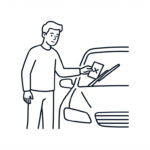
    We have all been there. You return to your car after a pleasant afternoon, only to spot that dreaded plastic yellow pouch slapped onto your windscreen. Your stomach drops, your blood boils, and your day is instantly ruined.

    Private parking companies have turned issuing tickets into a multi-million-pound industry. They design car parks like labyrinthine traps, with terms and conditions printed in a font so microscopic you would need a jeweler’s loupe just to read the grace period.

    But here is the grand secret they don’t want you to know: a private parking ticket is not a criminal fine. It is merely an invoice, and more importantly, it is an invoice you can fight—and very often win.

    Here is your Wise Old Heads tactical blueprint to beating the parking bullies at their own game.

    🛑 Step 1: Know Your Enemy (Council vs. Private)

    Before you do anything, you must look closely at the wording on the ticket. The strategy changes completely depending on who issued it.

    • The Authority Ticket: If it says “Penalty Charge Notice” and features a local council logo, this is an official fine issued under public law. You must take this seriously and follow the official statutory appeals process.
    • The Imposter Ticket: If it says “Parking Charge Notice” and comes from a private company (like ParkingEye, Euro Car Parks, or NCP), this is a civil invoice disguised to look like an official fine. They have the tracking technology of MI5 but the legal authority of a sternly worded letter from a neighbor.

    📸 Step 2: The Golden Rules of the Car Park

    If you catch a ticket, or receive an automated “Notice to Keeper” letter through the post via an ANPR camera, invoke these three immediate rules:

    1. Do Not Pay on Impulse

    Private operators use psychological tricks. They offer a “50% discount” if you pay within 14 days. This is designed to panic you into paying immediately before you realize they have broken the rules. Paying settles the case permanently; you cannot appeal once you have handed over the cash.

    2. Gather Your Arsenal

    If you are still at the scene, take photos immediately.

    • Is the sign hidden behind a tree branch? Photo.
    • Is the text unreadable in the dark? Photo.
    • Is the ticket machine out of order? Photo.
    • Take a screenshot of the clock on your dashboard to prove you were within the standard 10-minute “grace period” that UK guidelines mandate.

    3. Never Reveal the Driver

    When appealing a private ticket, always write in the third person as the Registered Keeper of the vehicle (e.g., “The vehicle was parked…” rather than “I parked…”). Under the Protection of Freedoms Act 2012, private firms must follow strict timelines to hold a keeper liable. If they mess up their paperwork—which they do constantly—and they don’t know who was driving, their case completely evaporates.

    ✉️ Step 3: The Internal Appeal (The Formal “No Thanks”)

    Your first line of defense is a formal appeal directly through the parking firm’s website. Do not apologize or beg for mercy. Instead, use a firm, business-like tone:

    “As the Registered Keeper of the vehicle, I wish to formally dispute Parking Charge Notice [Number]. The signage at the location was inadequate and failed to form a transparent contract under consumer regulations. Furthermore, the sum requested does not represent a genuine pre-estimate of loss. Please cancel this charge immediately or provide a unique POPLA verification code so I may escalate this matter.”

    Most rogue firms will reject this initial appeal because they want your money. But do not despair—this is just a checkbox exercise before we deploy the heavy artillery.

    🚀 Step 4: The Ultimate Weapon (POPLA)

    If the firm rejects your appeal, they are legally required to give you a code for an independent appeals service called POPLA (Parking on Private Land Appeals).

    Firms hate POPLA because it costs them money for every case opened, while it is completely free for you. Better yet, POPLA assessors are independent and strictly enforce the British Parking Association code of practice. If the signs were poorly lit, or the company’s contract with the landowner isn’t perfectly airtight, POPLA will throw the ticket out, and the parking firm has to slink away empty-handed.

    👨‍🦳 WiseOldHeads Advice

    Keep Calm and Check the Library! > Finding a ticket on your windscreen is incredibly stressful, but remember: these companies rely entirely on intimidation, fear, and the hope that you will pay just to make the problem go away. Don’t let them bully you out of your hard-earned pension or savings. We are building a comprehensive library of consumer defence strategies here at Wise Old Heads. Whenever a business, utility provider, or private firm tries to squeeze money out of your wallet unfairly, don’t face them alone. Bookmark this site, make use of our search bar, and check back regularly for our latest step-by-step guides to reclaiming your financial peace of mind.

    If you need to know what happens after you receive your POPLA its covered in our post for this topic.

    Our searchable WiseOldHeads library is packed with helpful advice, jargon-free consumer guides designed specifically to protect your cash and your peace of mind. Leverage our search bar below to stay one step ahead of the corporate giants.

  • Got a POPLA Code? Here is How to Use It to Crush Your Parking Ticket

    Parking Fine

    If you have successfully challenged a private parking ticket and the company rejected your appeal, do not panic. In fact, you should celebrate. Along with their rejection letter, they are legally required to hand over a 10-digit POPLA verification code.

    Receiving this code is a massive milestone. It means the parking company has realized they can’t intimidate you with scary red letters, so they have to let an independent referee look at the paperwork.

    (If you haven’t received your code yet, make sure to read our essential guide on How to Fight and Win Against Private Parking Firms).

    The moment that 10-digit code lands in your hand, a strict 28-day countdown timer begins. Here is your step-by-step master plan to use that code, launch a free independent appeal, and wipe that ticket out for good.

    💻 Step 1: Fire Up the Official Portal

    The entire POPLA (Parking on Private Land Appeals) process is handled online. Head to www.popla.co.uk and click the prominent “Start an Appeal” button.

    Type in your 10-digit code and your vehicle registration number. The portal will instantly pull up the details of your ticket, confirming exactly which parking operator you are about to take down.

    🛑 Step 2: Avoid the “Honesty Trap”

    When the website asks for your “Grounds for Appeal,” it will give you several checkboxes. A common mistake is ticking “Mitigating Circumstances” and typing a heartfelt story like, “My doctor’s appointment ran over” or “The weather was terrible.” While entirely true and human, POPLA assessors are legally minded rules-enforcers—they rarely cancel tickets based on bad luck. Instead, ensure you check the box marked “Other” so you can upload a custom, technical defence.

    🚀 Step 3: Deploy the Three “Killer” Arguments

    When typing into the appeal box, copy and paste these three highly effective arguments that private parking operators absolutely dread:

    1. The Landowner Contract Challenge

    “I formally challenge the operator’s legal standing to issue this charge. I demand that the operator produce a contemporaneous, unredacted copy of the actual contract between themselves and the landowner, proving they have specific, unbroken legal authorization to pursue motorists at this specific location.”

    Why it works: Parking firms are just sub-contractors. They frequently rely on out-of-date or poorly signed landlord agreements. If they cannot produce a flawless contract, POPLA will throw the ticket out instantly.

    2. The 10-Minute Grace Period Breach

    “The operator has failed to adhere to the Accredited Parking Association’s mandatory code of practice, which dictates a minimum 10-minute grace period at the end of a parking instance before a charge can lawfully be generated.”

    Why it works: If their automated cameras show you overstayed your ticket by 5, 7, or 9 minutes, they have broken their own industry regulations by jumping the gun.

    3. Non-Compliant Signage

    “The signs at this location are obscured, poorly lit, or print key terms in unreadable fonts, creating a total failure to form a transparent contract under the Consumer Rights Act.”

    (If you took photos of hidden signs or pitch-black conditions at the car park, upload them here as evidence!)

    ⏳ Step 4: The Operator’s Evidence Pack

    Once you submit your appeal, the parking firm has to upload a massive bundle of “evidence” to try and prove you wrong. POPLA will email you a copy of this bundle.

    You have 7 days to comment on it. Look closely at their photos. If they submit a crisp picture of a sign taken on a bright summer afternoon, but your ticket was issued during a midnight winter rainstorm, submit a short reply pointing out that their evidence doesn’t match the reality of the night in question.

    👨‍🦳 WiseOldHeads Advice

    The Odds Are Heavily in Your Favour! > Taking a case to POPLA is a complete win-win for you. If you win, the ticket is permanently dead and the company must leave you alone. If you lose, the decision is not legally binding on you—the company still cannot force you to pay without taking you to the actual Small Claims Court, which costs them significant legal fees. Most firms simply give up and walk away if they lose at POPLA.

    Here at Wise Old Heads, we believe knowledge is your best shield against corporate greed. If you found this step-by-step guide empowering, please bookmark our page, share it with friends who drive, and check back regularly. We are constantly expanding our library with fresh, actionable tactics to keep your money exactly where it belongs: in your wallet.

    If you have just received a Parking Ticket, you may want to review our post on what to do when you receive one. Parking Fines Post

    Our searchable WiseOldHeads library is packed with helpful advice, jargon-free consumer guides designed specifically to protect your cash and your peace of mind. Leverage our search bar below to stay one step ahead of the corporate giants.